
5 Days
Daily Tour
16 people
English, Espanol
Discover the Huchuy Qosqo and Short Inca Trail on a 4-day journey with INKANET ADVENTURE, blending Sacred Valley’s vibrant communities, hidden Inca ruins, and stunning Andean landscapes. Meet locals, learn ancient farming, and connect with Peru’s living traditions.
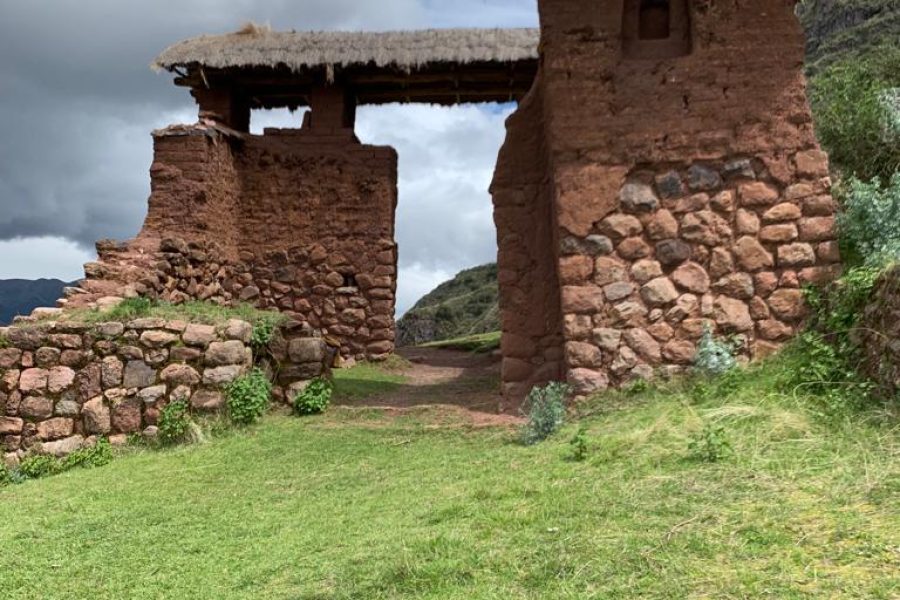
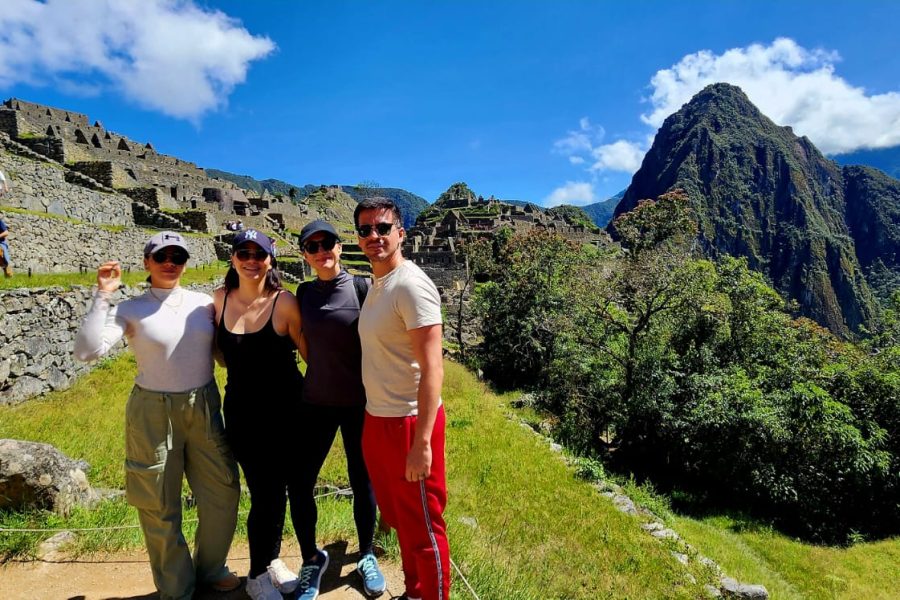
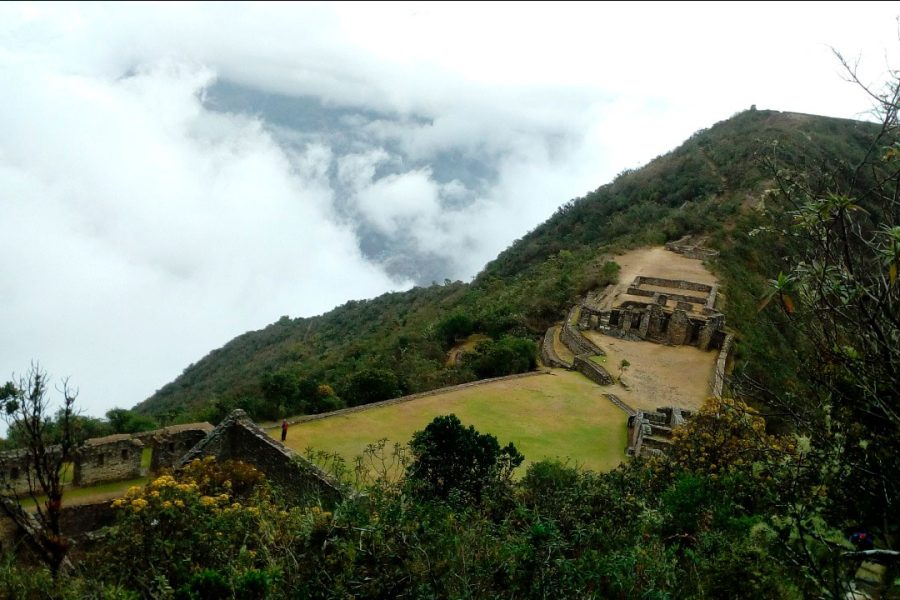
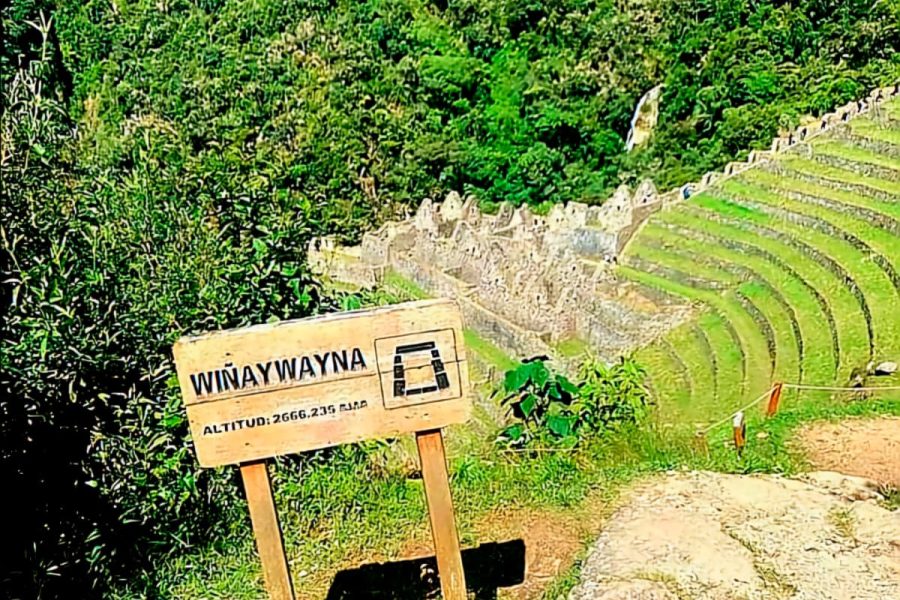
Explore Huchuy Qosqo, built by Inca Wiracocha, featuring grand stonework, royal estates, and defensive fortresses meaning “Little Cusco.” Traverse rugged trails, lush valleys, and cascading waterfalls, spotting diverse ecosystems from highlands to cloud forests. Hike the Short Inca Trail to Machu Picchu, witnessing sunrise over its temples and terraces, guided through Inca rituals and history. INKANET ADVENTURE delivers an unforgettable Peru adventure rich in culture, nature, and Andean beauty.
We start early with a hotel pick-up in Cusco, followed by a private transfer to Tinki, a charming rural village and our trek starting point. In Tinki, we meet our muleteers and horses, who will carry camping gear and supplies.
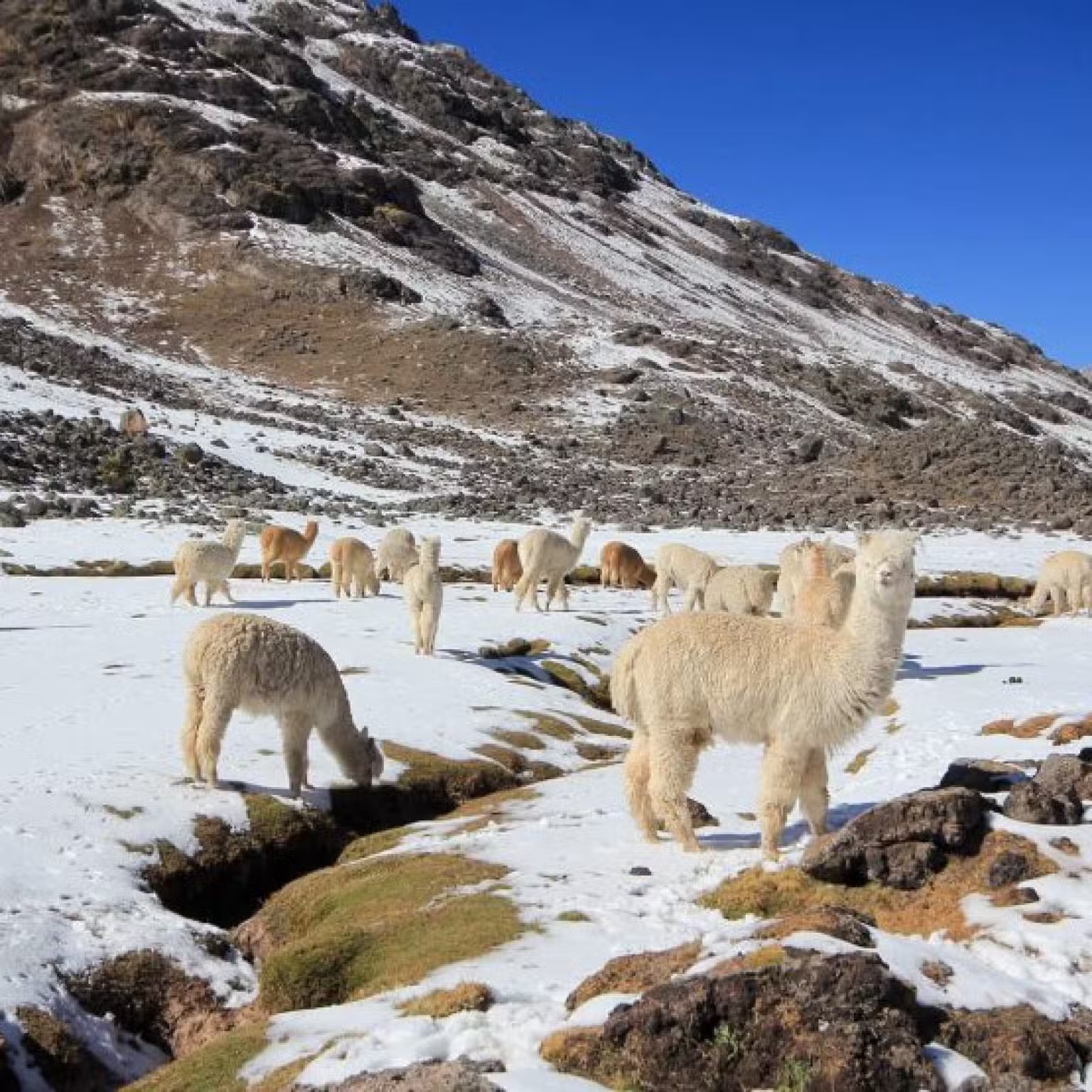
As we travel through small towns like Urcos, Catca, and Ausangate, we immerse in local culture, observing traditional attire and customs. Along the way, we spot herds of llamas and alpacas, essential to the community. The route offers stunning mountain views.
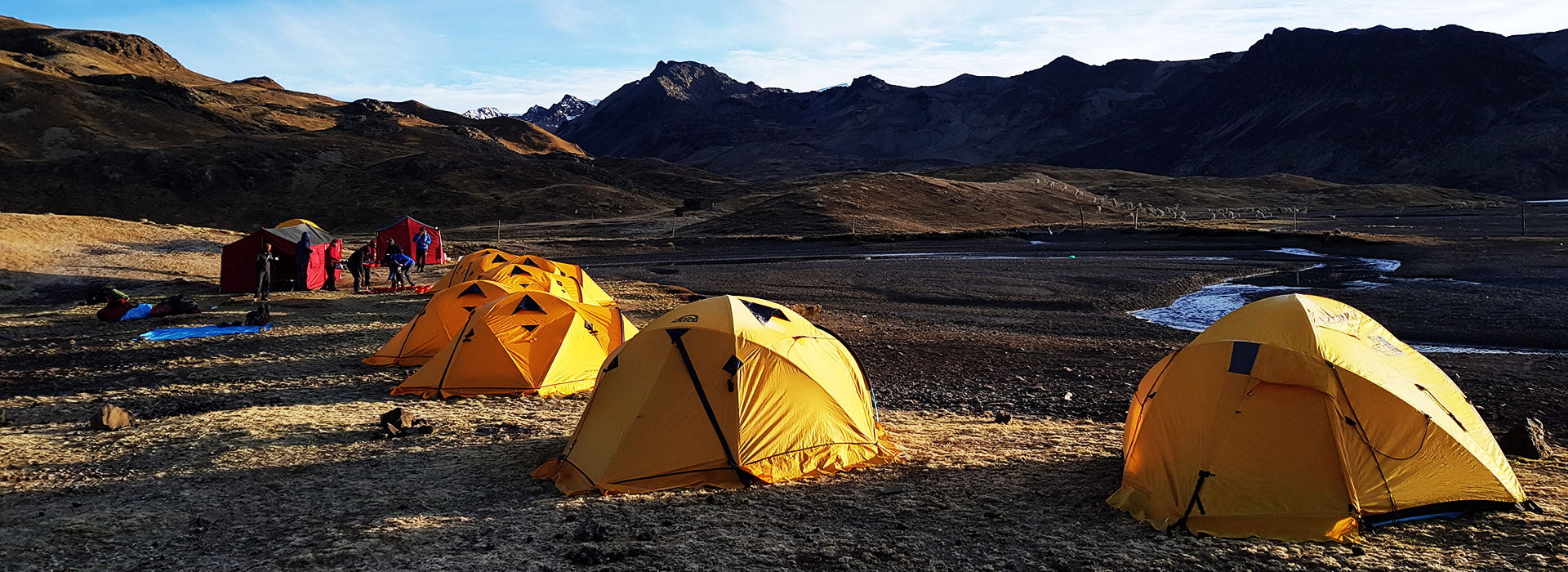
Our day ends at Upis, where we set up camp for the night, surrounded by natural beauty and traditional Andean life.
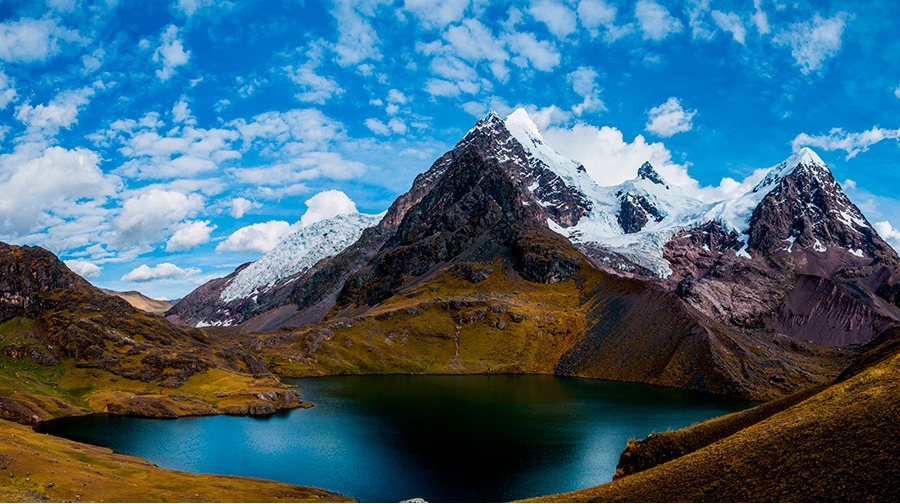
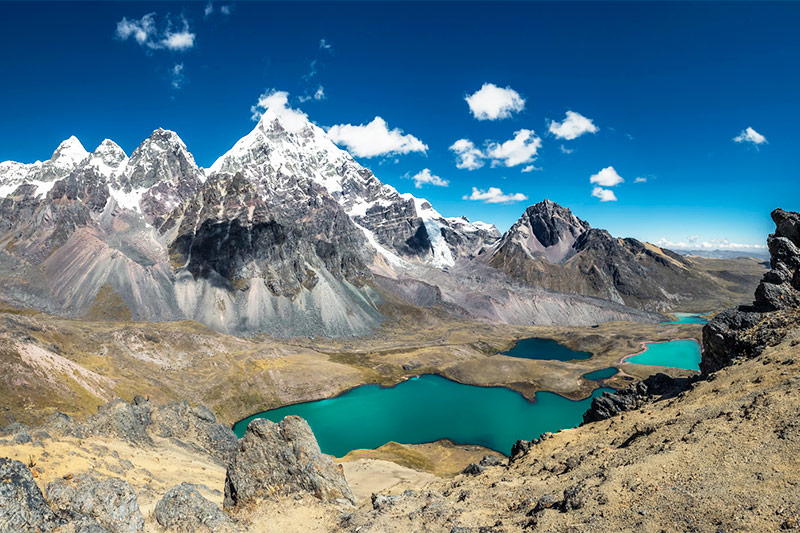
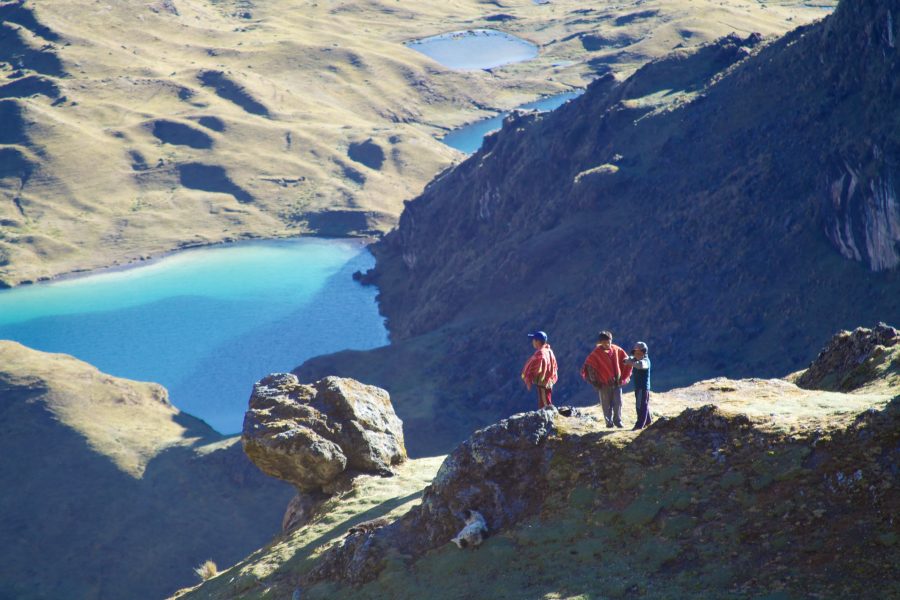
We depart Upis early in the morning and begin our trek across the vast grassy plains of Ichu, where the crisp highland air and open skies set the tone for the day. Our path ascends steadily toward Arapa Pass, reaching 4,900 meters (16,076 feet). As we climb, we’re enveloped by the awe-inspiring Ausangate mountain range and the serene beauty of Queullacocha, a shimmering turquoise lake nestled among the peaks.
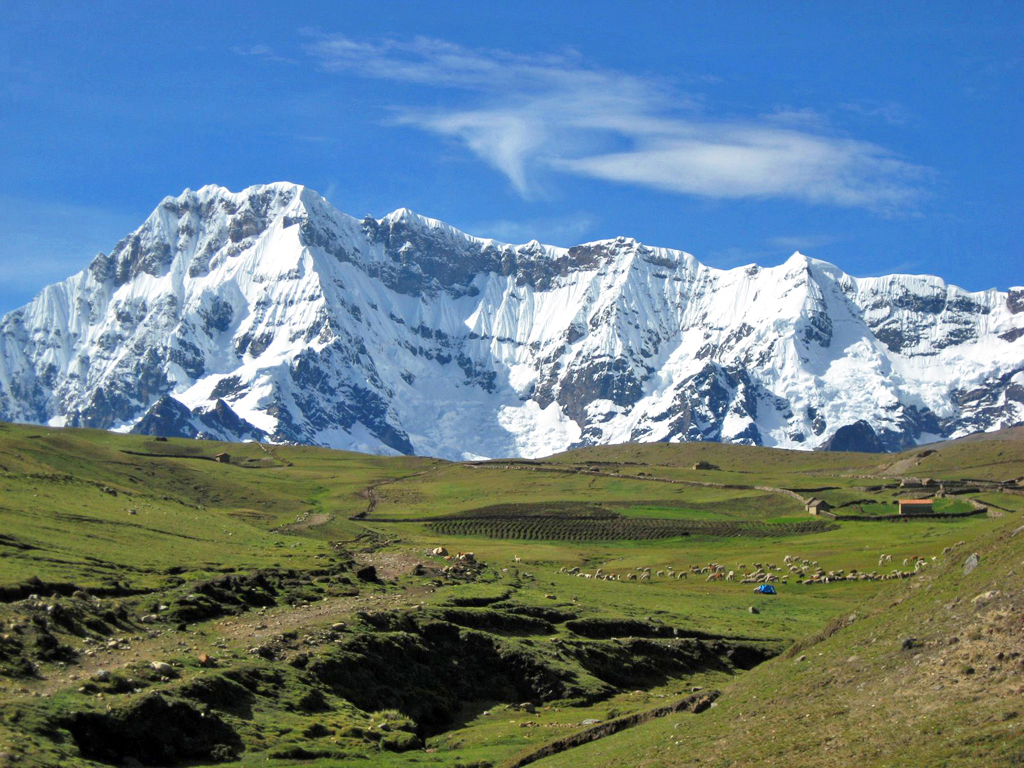
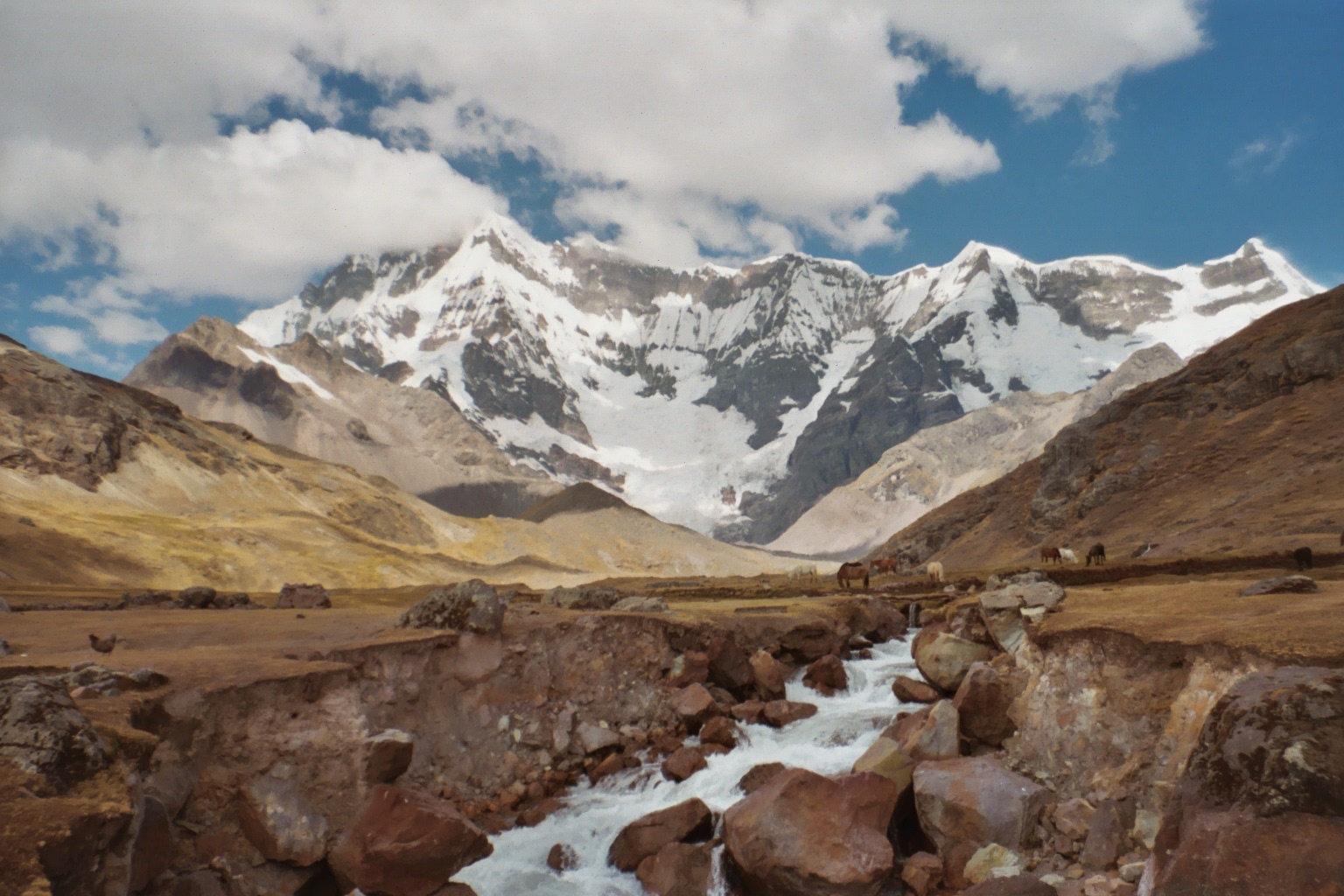
The trail continues along the rugged flanks of the mighty Ausangate, offering breathtaking panoramic vistas of jagged ridges, glacial valleys, and windswept landscapes that feel untouched by time. After soaking in these dramatic views, we descend gently toward the strikingly beautiful Hatun Pucaccocha Lake, its deep blue waters reflecting the surrounding snow-capped summits.
Our journey then leads to the second major challenge of the day: Pucapunta Pass at 5,000 meters (16,404 feet). This demanding ascent rewards us with a profound sense of accomplishment and sweeping views across the heart of the Vilcanota Range. After crossing the pass, we enjoy a well-earned short descent to our campsite near the tranquil Ausangate Cocha Lake.
Here, beneath the shadow of Ausangate, we set up camp beside this peaceful high-altitude lake, surrounded by dramatic alpine scenery—crystal-clear waters, silent glaciers, and the quiet majesty of the Andes at dusk. As night falls, the stillness and star-filled sky create a perfect moment to rest and reflect on the day’s journey.
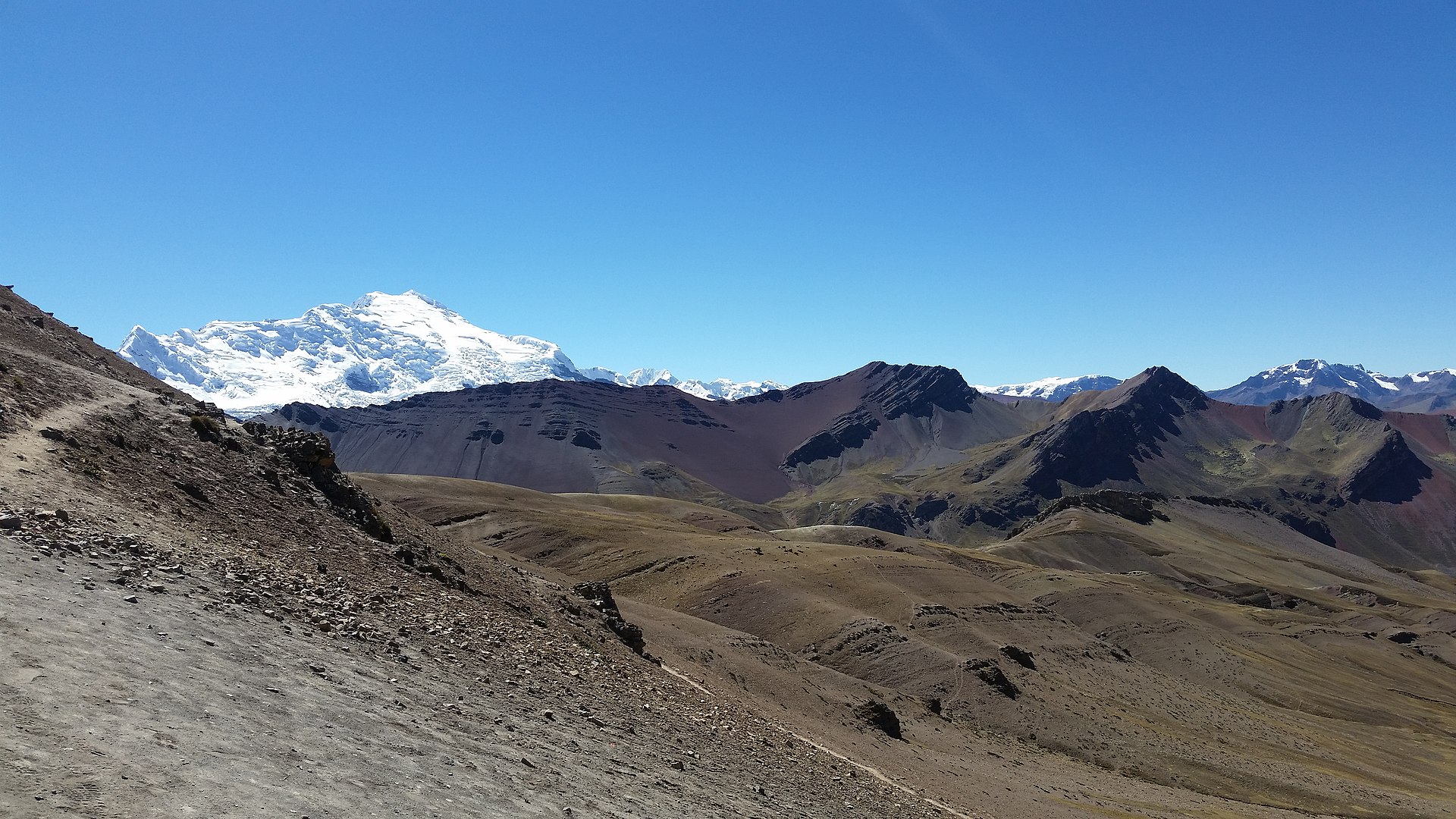
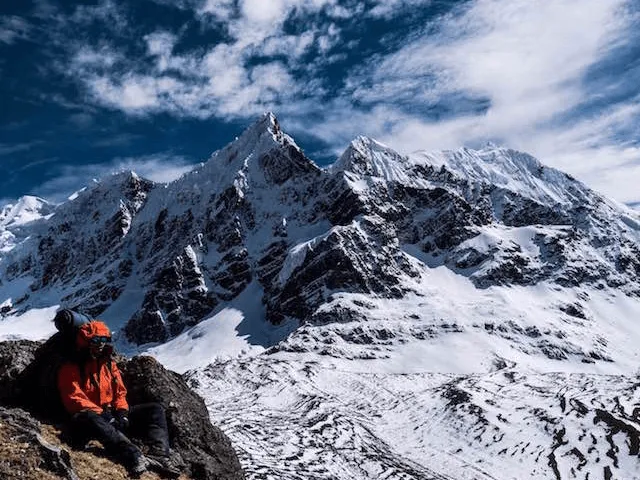
Today is the highlight of our trek as we ascend to the highest point, Palomino Pass at 5,200 meters (17,060 feet). The climb is challenging but deeply rewarding, culminating in breathtaking 360° panoramic views of the Vilcanota mountain range, distant snow-capped peaks, and vast glacial valleys stretching as far as the eye can see. This is a moment to pause, breathe in the rarefied air, and feel truly on top of the Andes.
After savoring the majesty from the pass, we begin our descent toward the historic agricultural region of Finaya, a fertile highland basin where traditional farming thrives. Here, the land is alive with llamas and alpacas grazing peacefully, tended by local families who have preserved ancestral practices for generations. As we walk through terraced fields of quinoa, potatoes, and oca, you’ll have the chance to meet local farmers, observe their daily work, and learn about the deep connection between the people and the land.
Our trail then winds through picturesque landscapes—rolling hills, crystal streams, and vibrant wildflowers—until we reach our campsite in the welcoming community of Hampa. Nestled in a sheltered valley with sweeping Andean views, we’ll set up camp, share stories around the fire, and unwind under a sky ablaze with stars, reflecting on one of the most memorable days of the journey.
We rise early for our final ascent to Hampa Pass, the last high point of the trek. As we climb, we pass through a special habitat known for mountain chinchillas (Andean rabbits), often seen darting among the rocks. Near the pass, we skirt the edge of Querococha Lagoon, a serene alpine lake cradled by rugged peaks, offering stunning reflections and a peaceful moment before the descent.
The trail then winds downward through rolling grasslands and crystal streams, leading us to the welcoming rural community of Pacchanta. Here, life moves in harmony with the Andes—llamas graze, thatched-roof homes dot the landscape, and the towering Ausangate watches over all.
We set up camp in this vibrant highland village, and as a perfect reward, you can soak in Pacchanta’s natural hot springs—thermo-medicinal pools at 38–42°C (100–108°F), steaming gently against the cool mountain air. Relax your muscles, reflect on the journey, and enjoy the tranquil beauty of this sacred valley.
This day blends breathtaking high-altitude views, rare wildlife sightings, and the ultimate relaxation in healing hot springs—a deeply satisfying close to our Ausangate adventure.
We depart Pacchanta at dawn, following the historic Inca trail as it gently descends through lush pastures and vibrant agricultural terraces. Along the way, we pass fields of potatoes, oxalis, fava beans, and quinoa, the ancient staples that have sustained Andean communities for centuries. The path winds through small, welcoming villages, where locals greet us with warm “Allinllachu” in Quechua, sharing smiles and glimpses into their timeless way of life.
As we approach Tinki, the landscape softens, and the towering Ausangate fades into the distance—a final, majestic farewell. In Tinki, our private vehicle awaits to begin the 3-hour scenic drive back to Cusco, passing through the Sacred Valley and offering one last look at the Andean world we’ve come to know so deeply.
Upon arrival in Cusco, we’ll transfer you directly to your hotel, marking the end of an unforgettable journey. This final day is a perfect moment to reflect—on the glaciers, lagoons, high passes, wildlife, and cultural connections that have woven together into one of the most rewarding adventures in Peru.
The Ausangate trek is considered moderately challenging. A good level of fitness is recommended, as you will be trekking at high altitudes and encountering steep ascents and descents.
The trek includes 4 breakfasts, 4 lunches, and 3 dinners. Our chef will prepare nutritious meals to keep you energized throughout the trek.
The highest point on the trek is 5,200 meters (17,060 feet) at the Palomino Pass. To prepare for high altitude, it's important to acclimatize before the trek, stay hydrated, and be aware of altitude sickness symptoms.
Pack layers of warm clothing, including a rain jacket, gloves, and a hat. Also, bring sunscreen, sunglasses, a hat, and a water bottle. Don’t forget personal items like toiletries and a camera.
Yes, there is a risk of altitude sickness. Symptoms can include headaches, nausea, and dizziness. If you experience these symptoms, inform your guide immediately. It's crucial to rest, hydrate, and take necessary precautions.

Confidence to our customers
Quality of service

Secure Payment
Ensure Safe & Secure Payment

Member Since 2023



Leave a review